Why Phantom Feels Like the Best NFT Wallet for Solana — and Where It Still Needs Work
27
Apr
2025
Okay, so I started using Solana wallets because I wanted fast NFT drops. Wow — the difference from clunky chains was obvious. My first impression: speed, low fees, and a clean UI. But something felt off about how wallets handle collections and metadata. I’m biased, but that UX gap nags me every time I open my wallet.
Phantom has been my go-to for months. Seriously? Yes. It’s fast, it integrates with most Solana apps, and the extension is intuitive enough that friends who are new to crypto pick it up without panicking. On the other hand, there are little rough edges — cluttered token lists, occasional nonce confusion during airdrops, and notification overload. Initially I thought those were minor. Actually, wait—let me rephrase that: they compound, and over time they sour the experience.
Here’s the practical deal: if you care about NFTs on Solana, you want a wallet that balances ease-of-use with security. Phantom does that well. Check this out — I recommend the official browser extension for everyday use because it reduces friction when minting, trading, or connecting to marketplaces. If you want to grab it, look for phantom in your browser extension store and verify the publisher info carefully.
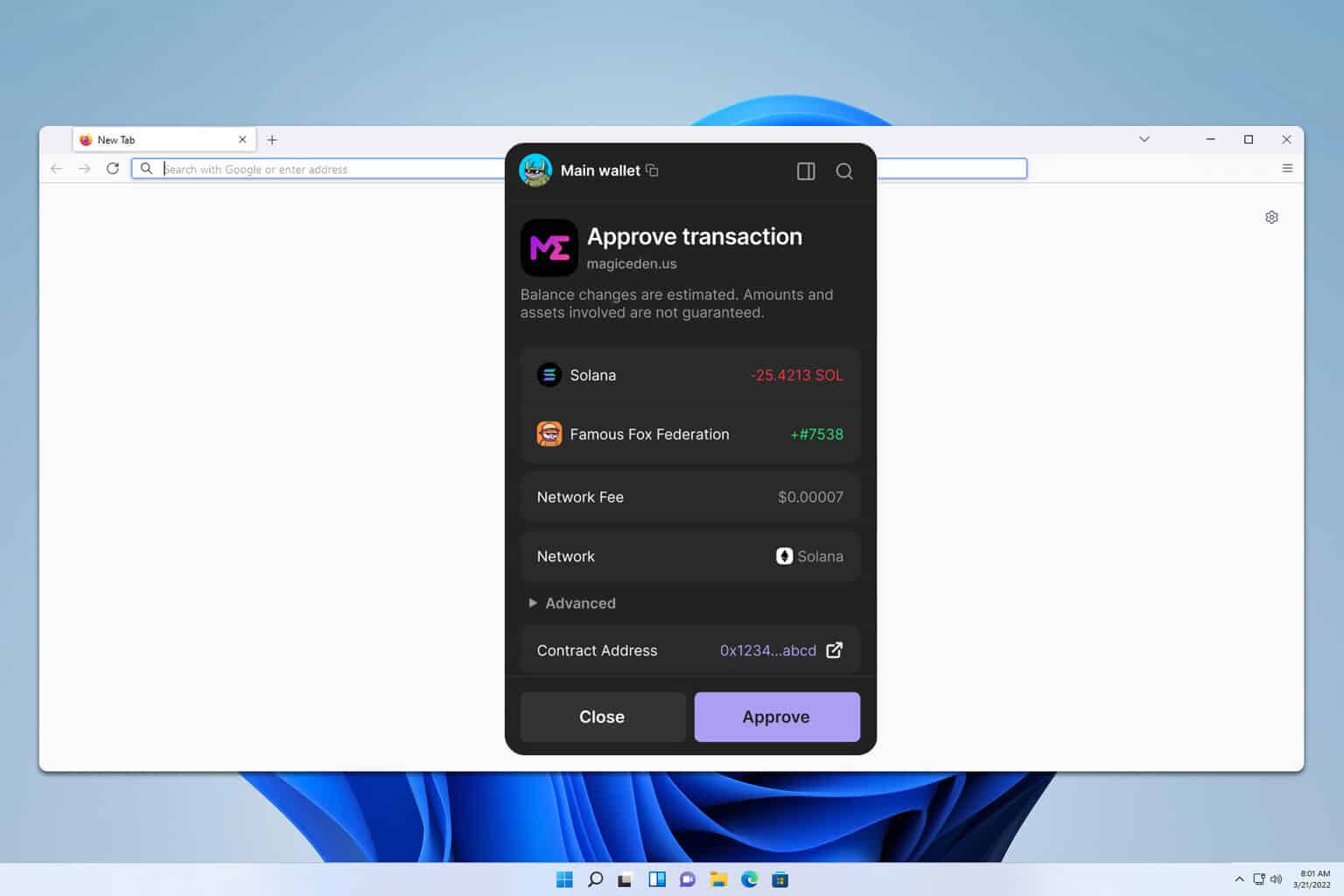
Small wins add up. Phantom’s account creation is straightforward. The UI organizes your SOL, tokens, and NFTs so you rarely hunt for basics. Medium sentences here to explain: transactions confirm quickly, signature prompts are clear, and the wallet integrates with most Solana dApps without awkward redirects. Longer thought: because Solana itself is optimized for speed and low cost, a wallet that leverages that without adding cognitive load actually changes user behavior — people mint more, explore more, and adopt the ecosystem faster, though that very ease raises the stakes for security education.
One thing that bugs me is the token list. Sometimes you get spam tokens, and filtering takes work. The wallet could do more vetting by default. I’m not 100% sure what the optimal threshold is, but the current approach trusts users a little too much — and for newcomers, that trust can cost them.
I’ll be blunt: browser extensions are convenient and also a target. My instinct said to treat extensions like mini-banks. On one hand, Phantom asks for clear permissions and keeps private keys locally; on the other hand, browser environments are complex and the attack surface grows with every other extension installed. So do these simple things — but not as a tutorial, rather as a checklist in your head: keep seed phrases offline, avoid pasting them anywhere, and confirm extension signatures before installing.
Also, watch for fake sites and phishing. A lot of phishing looks legitimate at first glance. Something felt off about a link? Close the tab. Go directly to the wallet source or the dApp’s verified link. It’s not glamorous, but it prevents dumb mistakes. (oh, and by the way… keep your recovery phrase offline in multiple physical copies if you can.)
Phantom’s NFT gallery is useful. It shows art, gives quick metadata, and supports transfers. But here’s the rub: metadata can be inconsistent across collections because creators use different standards. So the wallet can only do so much — sometimes an NFT looks broken because of the original minting, not the wallet. My working-through-contradictions moment here is that wallets should both educate users on why NFTs might appear buggy and provide tools to troubleshoot basic metadata issues.
For serious collectors, additional features would help: bulk transfer without gas surprises, clearer provenance info, and better collection grouping. Those are not trivial to build, but they’d elevate the experience from “good” to “delightful.”
Phantom plays well with Solana marketplaces, lending platforms, and on-chain games. That network effect matters. When a wallet is widely accepted, transaction flows stay smooth; you don’t keep switching wallets mid-mint. That improves success rates during drops and cutoffs. However, relying on a single extension still carries concentration risk — browser crashes, updates, or compatibility quirks can interrupt you at the worst moment. Diversifying across a hardware wallet or a mobile wallet is a practical hedge.
My instinct said: use multiple tools. Then I realized that juggling too many wallets introduces its own confusion — private keys everywhere, different addresses, tracking assets across accounts. So actually, balance matters. Keep a primary daily driver and a more secure option for long-term holdings.
Yes, generally. Phantom stores keys locally and has a solid reputation in the Solana ecosystem. Still, safety depends on user behavior: keep your seed phrase offline, verify websites before connecting, and consider a hardware wallet for large holdings.
Recovering requires your seed phrase or private key backup. Without that, recovery is nearly impossible. Treat backups like important documents — redundancy matters.
Both have use cases. The extension is great for quick dApp interactions and minting on desktop. Mobile is handy for on-the-go management and push notifications. Many users pair them for convenience and redundancy.
To wrap up — though I won’t do the neat summary thing everyone expects — Phantom is a solid entry point into Solana NFTs. It nails speed and usability, but small polish and stronger anti-phishing cues would make it tougher to trip up newcomers. I’m excited to see wallets keep iterating; after all, better UX means more creators and collectors joining the space. Hmm… that future feels both inevitable and a little messy, but mostly promising.